
22 July
Capsule Film Review #17

This is the seventeenth in a series of short pieces (max. 250 words) about films. They appear weekly, in addition to my regular essays.
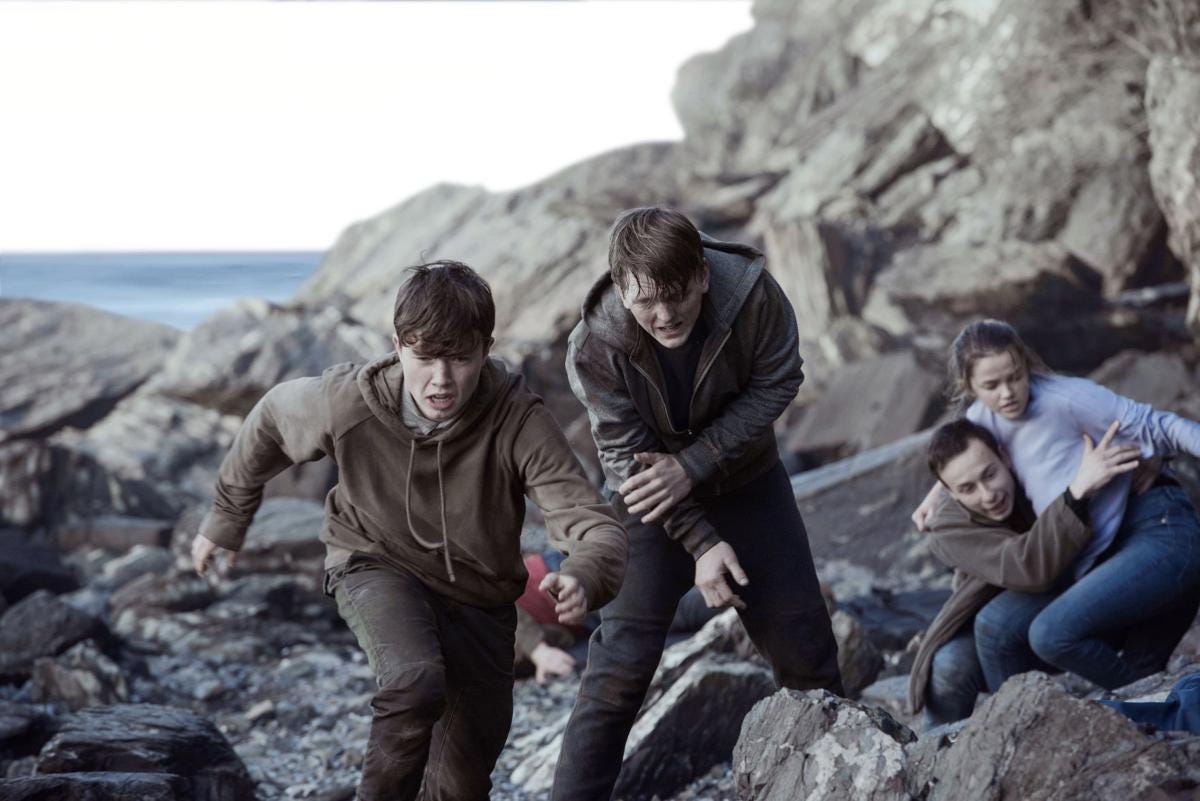
Most viewers, whatever they may feel about it, know exactly what Realism tends to amount to in films. Natural light. Long shots. Hand-held cameras. Actors talking over each other… Most viewers know, too—intuitively, we like to think—that this is not reality: that Realism usually protests too much…
Artists have many ways to convince us of reality. Realism, at its best, is only one way: the most bloody-minded, literal way. In some of Paul Greengrass’s films, the realism comes off; in others—like 22 July (2018), his film about the 2011 massacre in Norway—it doesn’t.
One reason for this is complex: the source material can tell you all about it. Was there not, after all, something inherently unreal in the story of this particular attacker—something ridiculous, concocted, fantastical? In his twenties, the future killer disappeared into his mother’s spare room, spent sixteen hours a day playing videogames and editing Wikipedia, and emerged, years later, ready to kill for a Cause which he said was Western Civilisation and which was really himself.
The other reason is simpler. This is, of course, a Norwegian story: set in Norway, with Norwegian characters and Norwegian actors. And yet everyone speaks English—and every viewer can guess why.
More problems, then, for self-conscious Realism? Trying to take Reality as its province, it forgets to take itself into account. It is still a story; it is still a film; it still has viewers—and those viewers can be realists as well.
I thought Greengrass pulled off United 93 well; it could have been a garish exploitation of the dead. I don't think I could sit through this movie if I wanted to, though.
Not circles. Logical extensions. Not length but depth: you're right.