
A Clockwork Orange
Capsule Film Review #22

This is the twenty-second in a series of short pieces (max. 250 words) about films. They appear weekly, in addition to my regular essays.
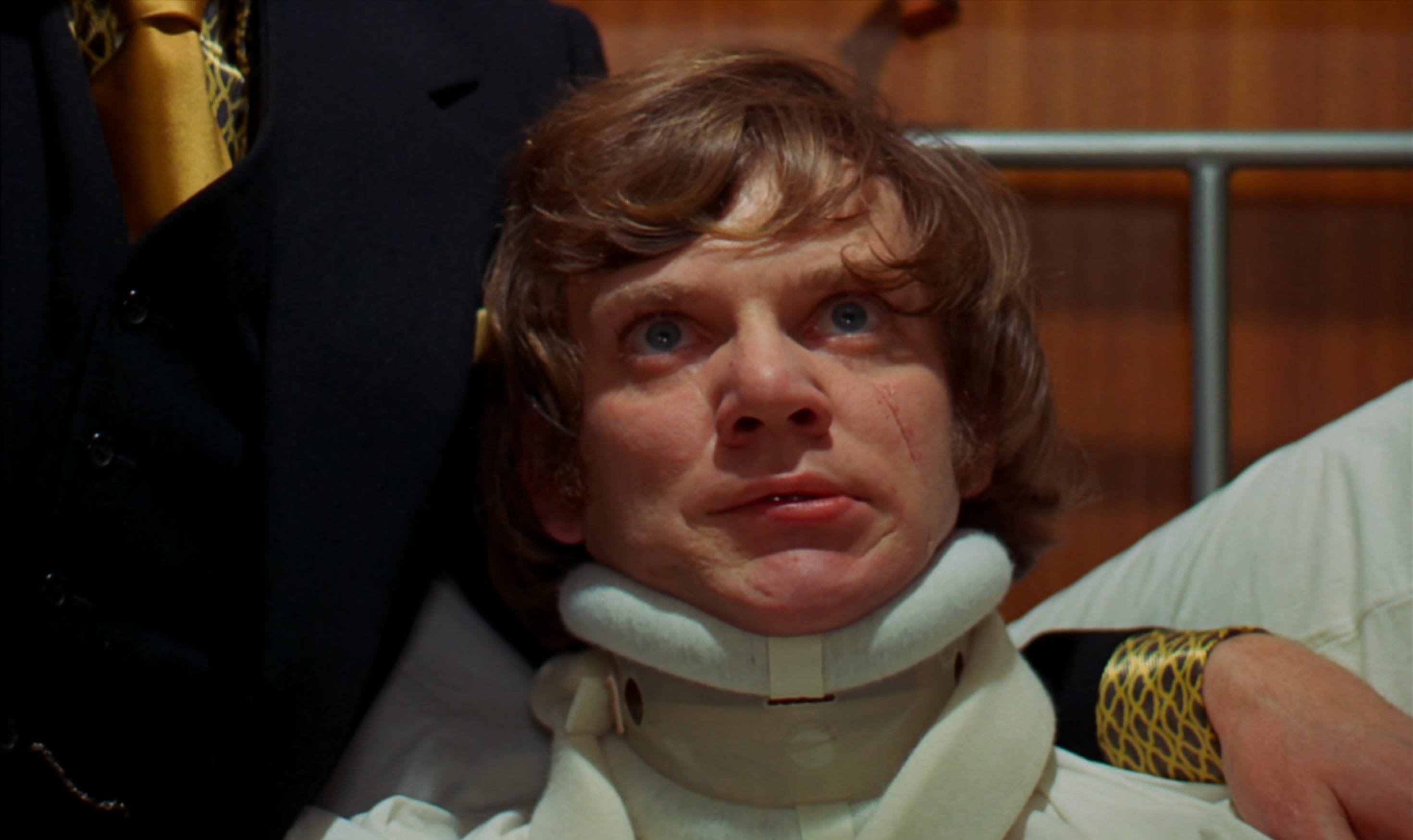
Though I yield to no one in my love and admiration for the writing of Anthony Burgess, I will yield on this point: the film of A Clockwork Orange is better than the book.
American readers may be surprised by this opinion, since the version of A Clockwork Orange published in America (prior to 1986) lacked the last chapter which is the novel’s biggest single flaw. In Burgess’s original, Alex DeLarge settles down, finally, to some kind of weird redemption: a comforting thought, perhaps, were it not so deeply implausible. In Kubrick’s film, adapted from the American edition, there is no redemption. Of course there is no redemption.
There was no redemption either for the Marquis de Sade—in some respects the Alex DeLarge of the eighteenth century. It is Sade’s voice that I hear in Alex, and vice versa:
…kill me or take me as I am; for I shall not change.
I shall not change: a resolution and a statement of fact; self-destruction and world-destruction taken, rightly and wrongly, as indictments of the world. In spite of it all, the boy still dreams his dreams.
The voice of adolescent defiance… we remember that, don’t we? My first attempt at sobriety, aged nineteen, didn’t last long. The day that I broke it, knowingly, and walked back into that dark wood, I raised the glass to my mouth and spoke aloud and even imitated those mocking tones and that Manchester accent.
I was cured, all right…
I didn't take the last chapter as redemption...more the thought of a son and heir to continue dad's evil ways...
I agree about the film being better than the book - I liked Kubrick's notion that it's all taking place in 2001 whilst other events unfold on the moon...