
Chinatown
Capsule Film Review #38

This is the thirty-eighth in a series of short pieces (max. 250 words) about films. They appear weekly, in addition to my regular essays.
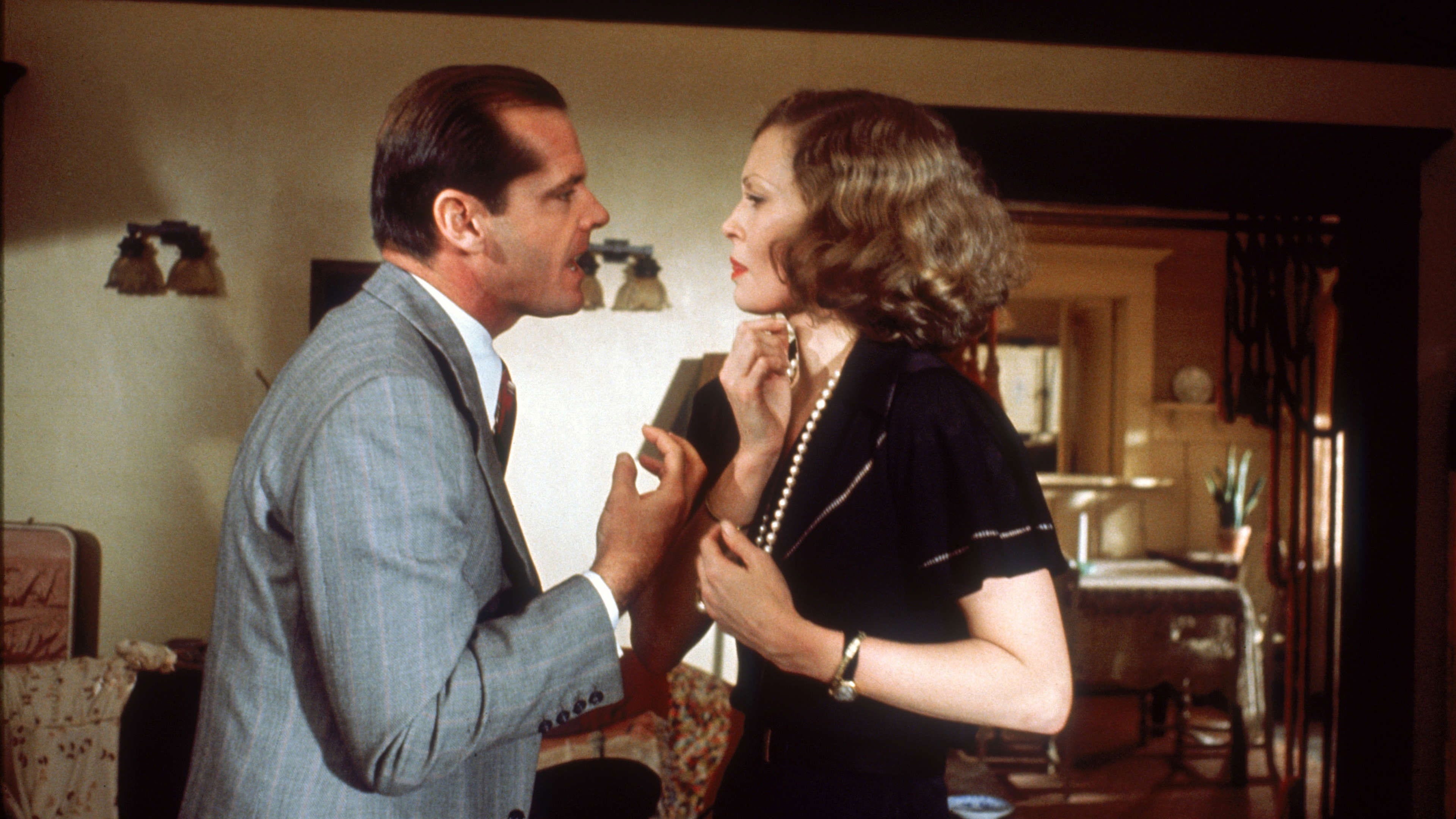
In a previous piece I described Roman Polanski’s The Pianist as the greatest dramatic retelling of the Holocaust in cinema, and that is, I believe, literally true—i.e. true in the sense that it is explicitly a film about the Holocaust, and indeed Polanski’s only film about the Holocaust.
There is another more difficult sense, however, in which almost all of Polanski’s films are about the Holocaust, and in that sense his greatest film, and in certain moods my favourite film outright, most certainly is.
Needless to say, none of the action in Chinatown (1974) takes place in a death camp; then again, for the most part, it doesn’t take place in Chinatown either.
Chinatown is a place of corruption, the place where the bad guys are in charge. J. J. Gittes used to work there: at the beginning of the film, he is still able to think that he has left that trauma behind. But the story of the film is, in part, his learning that he hasn’t, and that he never could—that the bad guys are in charge everywhere: the L.A. of 1930 just as much as the Poland of 1944, and just as much as whichever place you happen to be sitting in right now.
The film’s famous last line, in that light, is a kind of challenge, for to make anything beautiful out of such a realisation seems almost paradoxical. It’s Chinatown, it’s Chinatown, the film tells us. Do not forget it.
this reminds me I must see the sequel...!
I loved this film but now won't watch it...or any Polanski film simply because it turns out he is a nonce & I don't believe in giving Benefit of Clergy to paedophiles.