
Inglourious Basterds
Capsule Film Review #24

This is the twenty-fourth in a series of short pieces (max. 250 words) about films. They appear weekly, in addition to my regular essays.
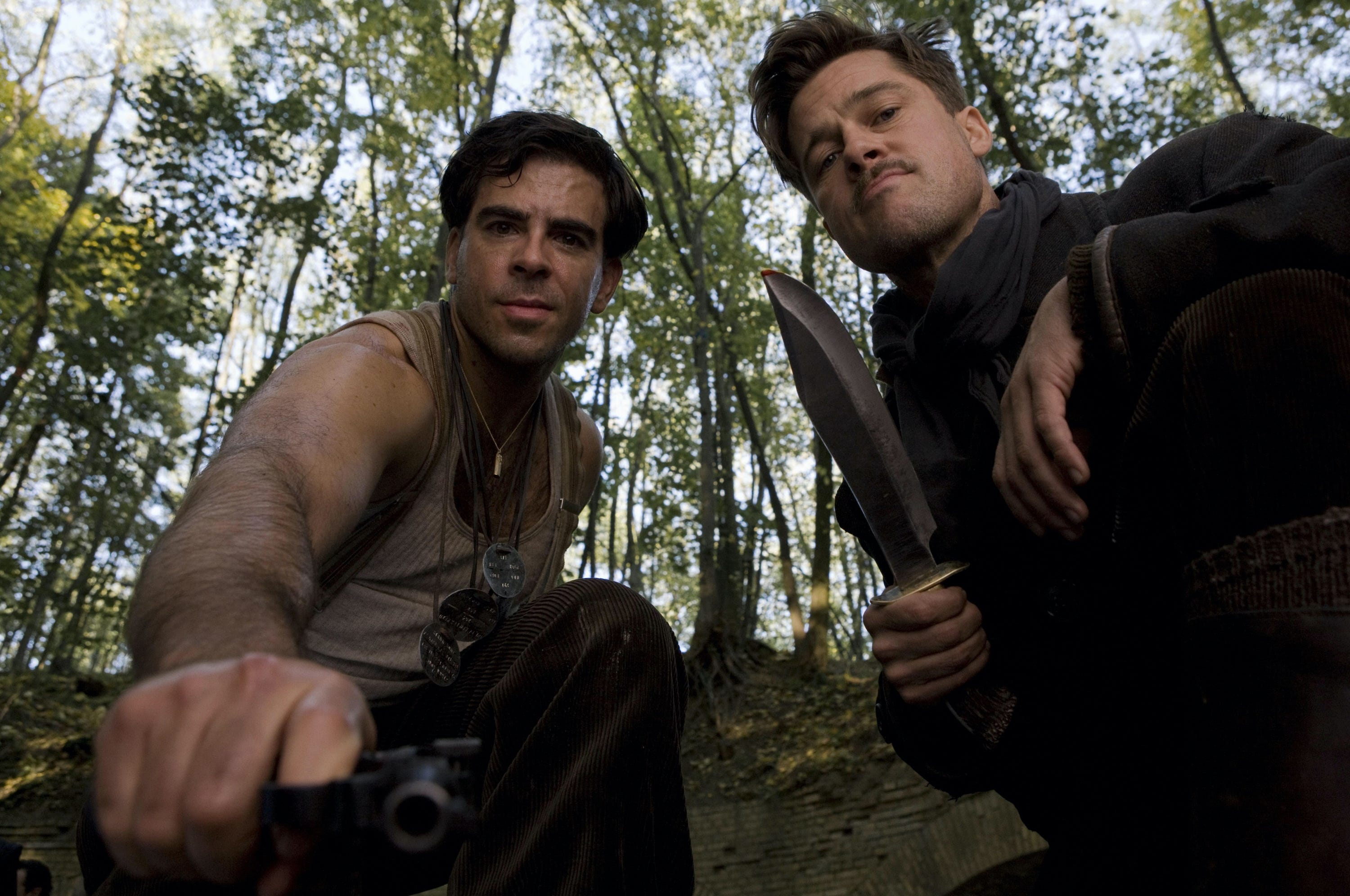
About half of Quentin Tarantino’s films are not very good, and many filmgoers, I would think, have long since accepted that conclusion. The disagreement comes, if it comes, only in trying to answer the subsequent question: which half?
It’s a big world. I know intelligent people who would not put Inglourious Basterds into the bad half, just as I know intelligent people who do not believe that AI is a rape of the human species. What can you say?
One of Tarantino’s favourite writers on film is Pauline Kael, and it is tempting to remark of him what Woody Allen once remarked of her: that she had everything that a great critic needed except judgement.
From the beginning, Tarantino has been identified as a pasticheur, but that isn’t the problem. The problem is judgement: the kind of films he chooses to pastiche, and his seeming inability, for all his knowledge and brilliance, to tell a good film from a bad one. Pulp Fiction pastiched mostly good films, and is mostly good. Inglourious Basterds, on the other hand, pastiches bad ones, and is bad.
Allen’s remark about Kael sounds facetious, but is in fact very observant. So, I would like to believe, is Christopher Hitchens’s remark about Inglourious Basterds. Matthew Clayfield quotes Hitchens as describing the experience of watching that film as like having a pot of warm piss poured slowly over your head. I reflect that some people would pay good money even for that. It’s a big world.
Tarantino and Nolan are very similar -- they're both men of immense technical talent with absolutely nothing to say. The first 40ish minutes of Inglourious Basterds are some of the best ever committed to film, but of course Tarantino was too vapid to realise that and had to ruin it.
I agree. IB is clumsy and dull.