
Umberto D.
Capsule Film Review #44

This is the forty-fourth in a series of short pieces (max. 250 words) about films. They appear weekly, in addition to my regular essays.
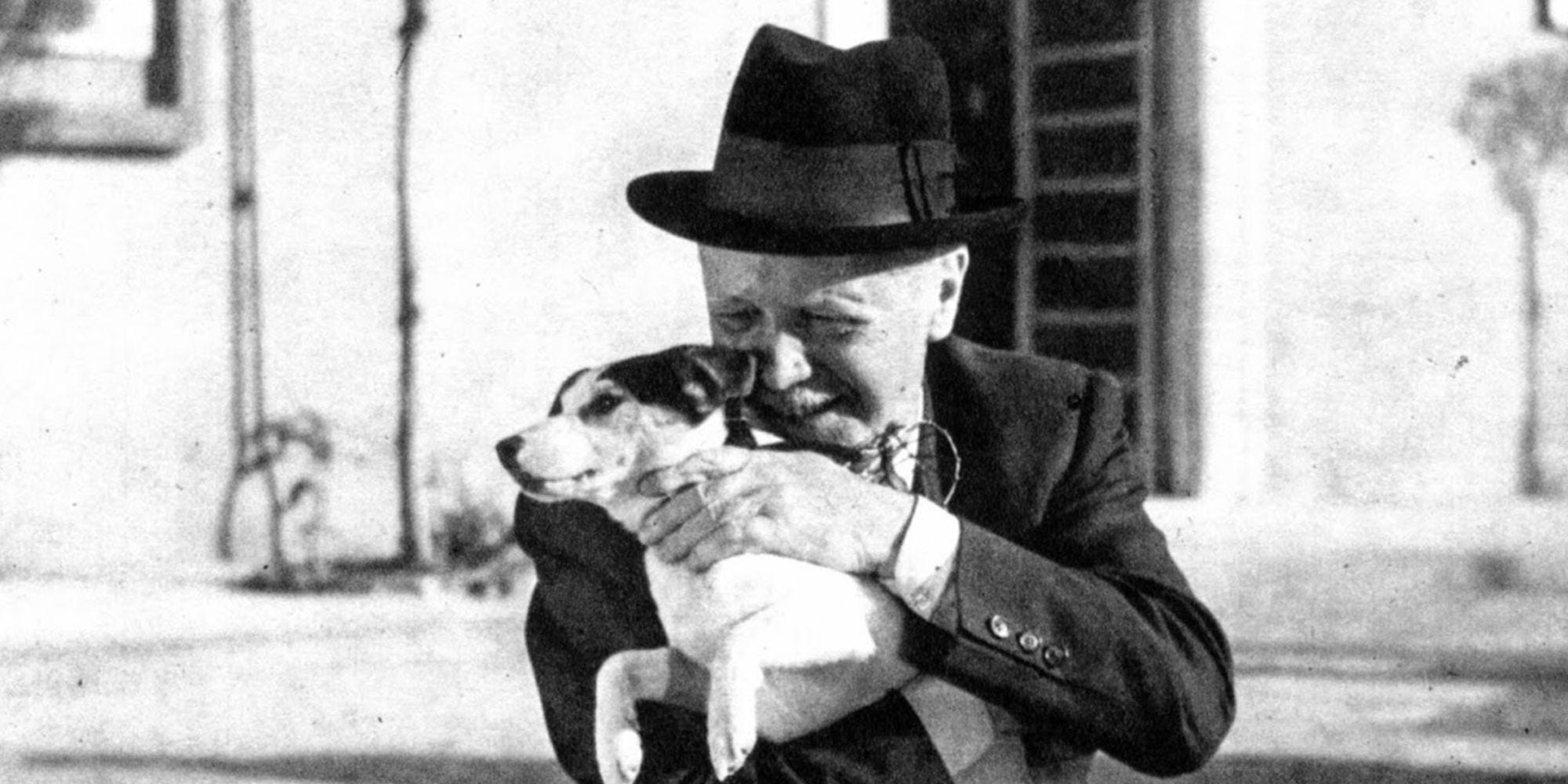
Realism, wrote Walter de la Mare
is usually a record of life at a low pitch and ebb viewed in the sunless light of day… a drab waste of grey and white, and an east wind blowing.
That much is true for cinema: far too often ‘realist’ films amount to ordinary films with the lights turned down; they are defined not by unflinching honesty, but by subject matter; they proceed, like those politicians who make their appeals to ‘real people’, as if one section of the population were somehow realer than the others.
It is surprising, given this, how well the Italian neorealist period has lasted: how so many of its exemplars survive in a way that (say) their British counterparts tend not to.
Why this is I’m not sure. After all, Umberto D., my favourite film in that subgenre, a masterpiece that breaks me every time I watch it, is not realer than (say) 8½ because its title character is poor, or because he lives in squalor. Nor is it realer because it is unignorably of its time, or because its economic realities demand a political response.
British realism, pretending to look our class system square in the face, tends to be confined by it. Umberto D. is not confined at all. It is realistic and real: real in the way that Chaplin and Dickens are real, and therefore universal. Rome is a real place, like London, but that doesn’t matter. What matters is that Umberto is real.
Grabbing it!