
Unforgiven
Capsule Film Review #7

This is the seventh in a series of short pieces (max. 250 words) about films. They appear in addition to my regular essays. You can find the others here.
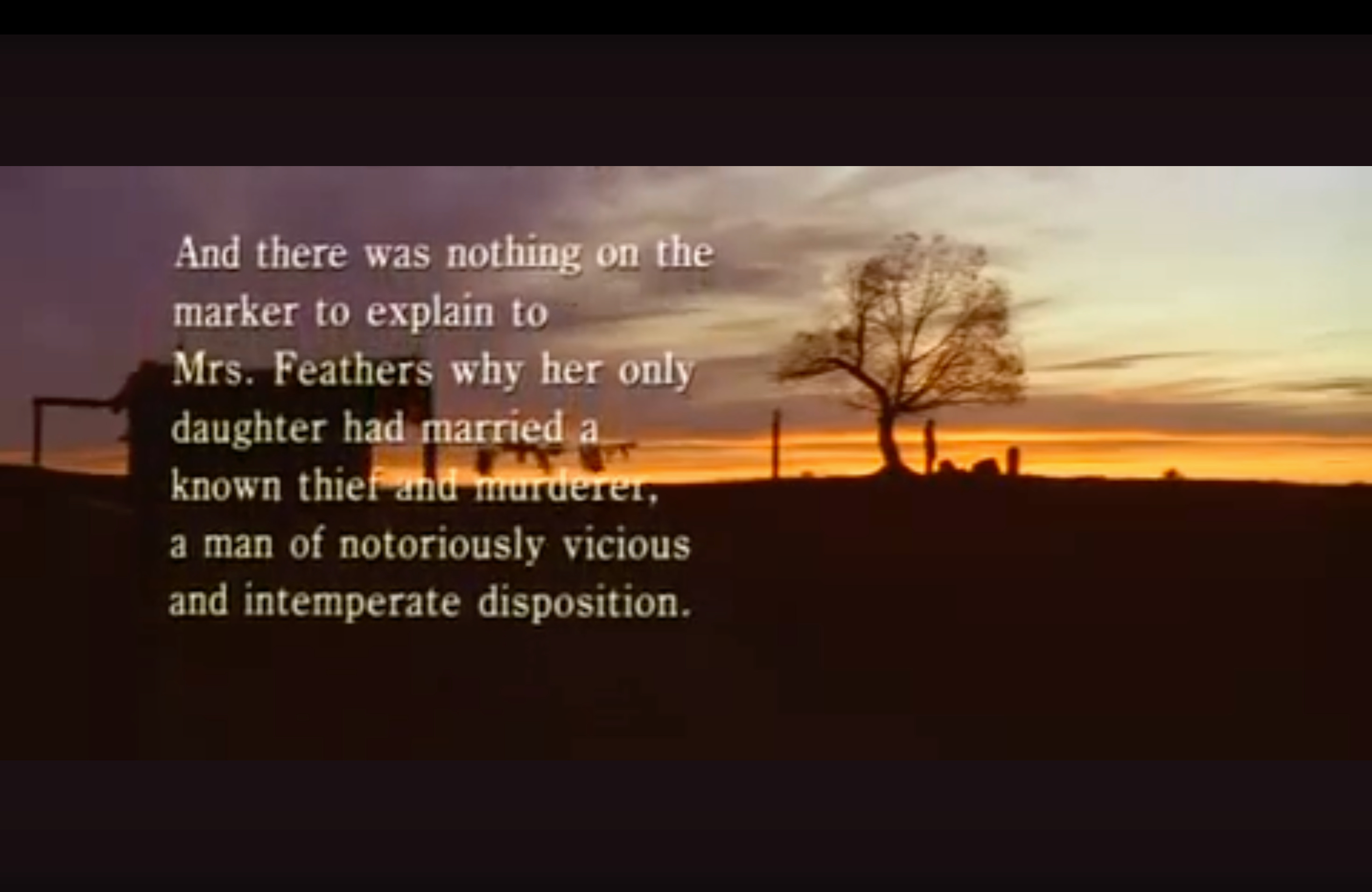
Because of my (self-imposed) word limit, I am not going to quote it: the eighteenth poem of A Shropshire Lad. If you don’t know it, read it: it is a perfect summary of the tragedy of Unforgiven (1992, d. Clint Eastwood).
William Munny, out of Missouri. Drunken savage, ‘known thief’, ‘killer of women and children’… When we meet him, he has left that behind; he is widowed, broken, sober. ‘Your mother,’ he tells his children, ‘cured me of drink and wickedness.’
But this is a Western. When Munny accepts one last contract killing, it’s all inevitable. We spend the whole film waiting to see him go back to his dark cowboy ways.
Some will know a similar feeling. Something goes right in our lives, finally; we live some period of joy which will change us, forever; it ends; we go back to normal. And our friends and family, who never saw it, will never believe any change ever took place.
There is something terrifying about the casual way in which Munny finally turns back to the dark side. The frontier town of Big Whiskey discovers his identity: at the exact moment that he is named, he uncorks the bottle and breaks his long years of sobriety.
An alcoholic nightmare, then: this man who drinks, all-consumed with pain and with rage… This is me. There is no escape. Munny takes his revenge and kills the sheriff. He kills them all. He is quite himself again.
long live the duck of death
I had to because I couldn't not. https://open.substack.com/pub/matthewclayfield/p/religion-nihilism-faith-and-the-movies